
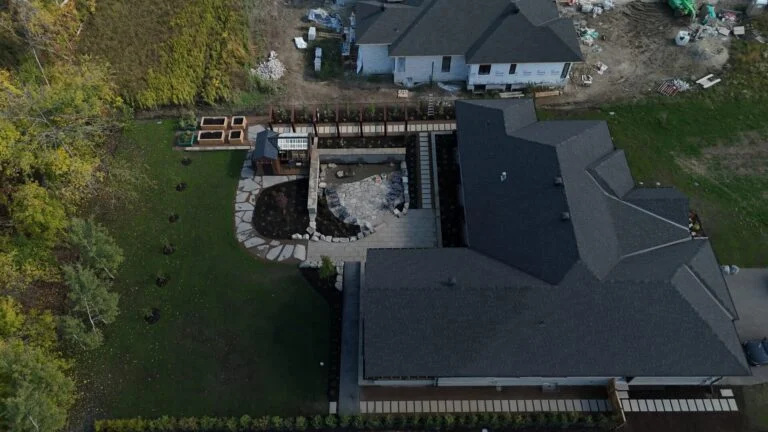
Ottawa winters bring a combination of heavy snowfall, repeated freeze-thaw cycles, and road salt exposure that can take a toll on outdoor surfaces if they are not cared for properly. Natural stone patios are durable, but they still benefit from seasonal attention to stay in good condition year after year, an approach that reflects the kind of long-term outdoor living solutions many Ottawa homeowners invest in. This guide walks through what to do before winter arrives, how to manage the patio during the coldest months, and what steps help it recover once spring returns.
Why Ottawa Winters Are Hard on Natural Stone
Natural stone is a strong, long-lasting material, but the way Ottawa’s climate shifts between freezing and thawing throughout the winter creates specific challenges. Moisture that gets into small cracks or joints can freeze and expand, gradually widening those gaps over repeated cycles. Road salt and de-icing products, if used carelessly, can also affect certain stone types and the mortar or jointing material between them.
Understanding these seasonal pressures is the first step toward protecting a natural stone patio in Ottawa, since the right preparation before winter can reduce the amount of damage that occurs during the coldest months.
Preparing Your Patio Before Winter Sets In
Taking a few practical steps in late autumn, before the first heavy snowfall, can make a noticeable difference to how well a stone patio holds up through the winter.
Clear Debris and Give the Surface a Thorough Clean
Leaves, dirt, and organic debris left on a stone patio can trap moisture against the surface, which becomes more problematic once temperatures drop. A thorough clean before winter removes this buildup and allows the stone to dry properly before the freeze-thaw cycle begins.
Inspect Joints and Edges for Damage
Autumn is a good time to walk the patio and check joints, edges, and any areas where stones meet other hard surfaces, such as steps or a foundation wall. Small cracks or gaps that seem minor in the fall can worsen significantly once water gets into them and freezes repeatedly over the winter. Addressing these issues before winter, rather than waiting until spring, tends to prevent more extensive repairs later. This kind of routine inspection is one of the reasons a well-built outdoor stone patio can last for many years with comparatively modest upkeep.
Apply a Suitable Sealant if Recommended
Depending on the type of stone used, a sealant applied before winter can help reduce water absorption into the surface, which lowers the risk of freeze-thaw damage. Not every stone type requires sealing, and applying the wrong product can sometimes cause more harm than good, so it is worth confirming what is appropriate for your specific patio before applying anything.
Managing Snow and Ice Through the Winter Months
Once winter arrives, ongoing care focuses mainly on how snow and ice are removed from the surface without causing damage.
Choosing the Right Snow Removal Tools
Metal shovels and aggressive scraping tools can chip or scratch natural stone, particularly at joints and edges. Plastic or rubber-edged shovels are generally a safer choice for clearing snow from a stone patio, since they reduce the risk of surface damage while still allowing effective snow removal.
Being Cautious With Salt and De-Icing Products
Many common de-icing salts can be harsh on natural stone and the jointing material between stones, particularly with repeated use over a long winter. Some products marketed as pet-safe or stone-safe are formulated to be gentler, though it is still worth using these sparingly rather than relying on heavy, repeated applications. Sand or non-clumping cat litter can also provide traction on icy patches without the chemical effects associated with de-icing salts.
Avoiding Excess Weight and Pressure
Piling large amounts of snow in one concentrated area of the patio, or allowing heavy equipment to sit on the surface for extended periods, can add unnecessary stress to the stone and the base beneath it. Spreading snow more evenly, where practical, helps distribute weight rather than concentrating pressure on a single section.
Seasonal Maintenance Checklist
| Season | Key Tasks | Why It Matters |
|---|---|---|
| Autumn | Clean the surface, inspect joints, and apply sealant where appropriate | Prepares the patio to withstand freeze-thaw cycles with less risk of damage |
| Winter | Use plastic shovels, apply de-icing products sparingly, and distribute snow evenly | Helps reduce surface damage and stress on the stone and underlying base |
| Early Spring | Inspect for new cracks or shifted stones and remove salt residue | Helps identify and address potential problems before they become more serious |
| Late Spring | Reseal if needed and refill joint material where required | Restores the patio’s protective layer and prepares it for the next season |
What to Check When Spring Arrives
As temperatures rise and snow melts, it is worth taking time to assess how the patio has held up through the winter before regular use resumes.
Look for New Cracks or Shifted Stones
Freeze-thaw cycles can sometimes cause individual stones to shift slightly or create new cracks that were not present in the autumn. Identifying these issues early, while they are still minor, generally makes repairs simpler and less costly than waiting until the problem has spread further.
Clean Away Salt Residue
If de-icing salts were used over the winter, a thorough spring clean helps remove any residue left on the surface. Left unaddressed, this residue can continue to affect the stone and surrounding vegetation as the weather warms.
Reassess Jointing and Sealant
Spring is a practical time to check whether joint material has washed out or eroded over the winter and whether a fresh application of sealant is needed to maintain the patio’s protective layer for the year ahead.
When to Call in Professional Help
Some maintenance tasks are straightforward enough to manage as a homeowner, such as regular cleaning and careful snow removal. Other issues, particularly structural cracks, significant stone movement, or a base that appears to be settling unevenly, are generally better assessed by a professional with experience in stone patio construction and repair. Attempting a fix without understanding the underlying cause can sometimes lead to repeat problems.
Our process for assessing and maintaining existing stone patios typically starts with understanding how a specific installation was built, since the right maintenance approach can vary depending on the base material, stone type, and jointing method originally used.
How Proper Installation Affects Long-Term Maintenance
The amount of maintenance a stone patio needs over time is often influenced by how it was originally installed. A patio built on a well-prepared, properly drained base tends to handle freeze-thaw cycles more predictably than one where the base was not adequately prepared. This is one of the reasons why the construction approach matters as much as the seasonal care that follows. You can read more about how we think about durability and long-term performance in outdoor spaces on our philosophy overview.
Planning Ahead for Future Seasons
Consistent seasonal maintenance, applied year after year, tends to keep a natural stone patio performing well for a long time, while neglecting these steps can lead to more significant and costly repairs down the line. Keeping a simple routine, such as a thorough autumn clean and inspection followed by careful winter snow management, is often enough to protect the investment made in a quality stone patio.
If your current patio is showing signs of wear that seasonal care alone will not resolve, or if you are considering a new stone patio and want it built with Ottawa’s winters in mind from the outset, it is worth discussing your specific situation with someone familiar with local conditions.
Talk to Us About Your Patio
Keeping a natural stone patio in good condition through Ottawa winters comes down to consistent seasonal care and, where needed, addressing issues before they grow into larger repairs. If you would like an assessment of your current patio or want to discuss a new installation built with the local climate in mind, connect with our team to talk through your options.
Frequently Asked Questions
How often should a natural stone patio be sealed?
This depends on the stone type and the sealant used, though many patios benefit from resealing every one to three years. Checking the surface each spring for signs of water absorption can help determine whether resealing is needed sooner.
Is rock salt safe to use on a natural stone patio?
Standard rock salt can be harsh on some stone types and jointing materials, particularly with repeated use. Stone-safe de-icing products, used sparingly, or alternatives like sand for traction, are generally a gentler option.
Can freeze-thaw damage be repaired once it has occurred?
In many cases, yes, though the repair approach depends on the extent of the damage. Minor cracks or joint erosion can often be addressed directly, while significant stone movement may require a more thorough assessment of the base.
Should snow be removed from a stone patio immediately after it falls?
Removing snow reasonably promptly helps prevent excess weight buildup and reduces the amount of time moisture sits on the surface before freezing, though it is not necessary to clear every light dusting immediately.
How can I tell if my patio’s base was properly installed?
Signs of a poorly prepared base include uneven settling, pooling water after rain, or stones that shift noticeably underfoot. A professional assessment can confirm whether the base is contributing to ongoing maintenance issues.